How Magnesium Affects Sleep
Magnesium is involved in over 300 enzymatic reactions in the body, but for sleep, three mechanisms matter most:
- GABA regulation — Magnesium activates GABA receptors, the neurotransmitter system responsible for calming neural activity. Low magnesium = low GABA = racing mind at bedtime.
- Melatonin production — Magnesium is a cofactor in melatonin synthesis. Deficiency can directly impair your body's ability to produce its own sleep hormone.
- Cortisol modulation — Adequate magnesium helps regulate cortisol, preventing the late-night stress hormone spikes that keep you wired at 2am.
A 2012 study in the Journal of Research in Medical Sciences found that magnesium supplementation (500mg/day) significantly improved sleep quality in elderly adults over 8 weeks, including sleep time, sleep efficiency, and melatonin levels.
Magnesium Types: Not All Are Created Equal
| Type | Absorption | Best For | Notes |
|---|---|---|---|
| Magnesium Glycinate | High | Sleep & relaxation | Bound to glycine (calming amino acid). Gentle on stomach. Best all-around choice for sleep drinks. |
| Magnesium L-Threonate | High | Brain health & sleep | Crosses blood-brain barrier. Promising research for cognitive function. Premium price point. |
| Magnesium Citrate | Moderate | General supplementation | Well-absorbed but can have laxative effect at higher doses. Common in cheaper products. |
| Magnesium Oxide | Low | Avoid for sleep | Only 4% bioavailability. Primarily used as a laxative. If this is in your drink, switch products. |
Get guides like this one — plus new brand drops and deals — in your inbox. No spam, ever.
What to Look for in a Magnesium Sleep Drink
- Magnesium glycinate or L-threonate as the primary form — not oxide or carbonate.
- At least 100mg elemental magnesium per serving. Under 50mg is unlikely to have meaningful effects.
- Complementary ingredients — L-theanine (100–200mg), tart cherry extract (natural melatonin source), or GABA can amplify benefits.
- Low or no sugar. Sugar spikes blood glucose and disrupts sleep. Look for naturally flavored or stevia-sweetened options.
- No caffeine. This seems obvious, but some "wellness" brands sneak in green tea extract.
Magnesium Drinks vs. Other Sleep Beverages
How do magnesium drinks stack up against other options for better sleep?
- vs. Non-alcoholic sleep drinks: Many NA sleep drinks contain magnesium plus additional botanicals. Magnesium-specific drinks tend to be simpler and more targeted.
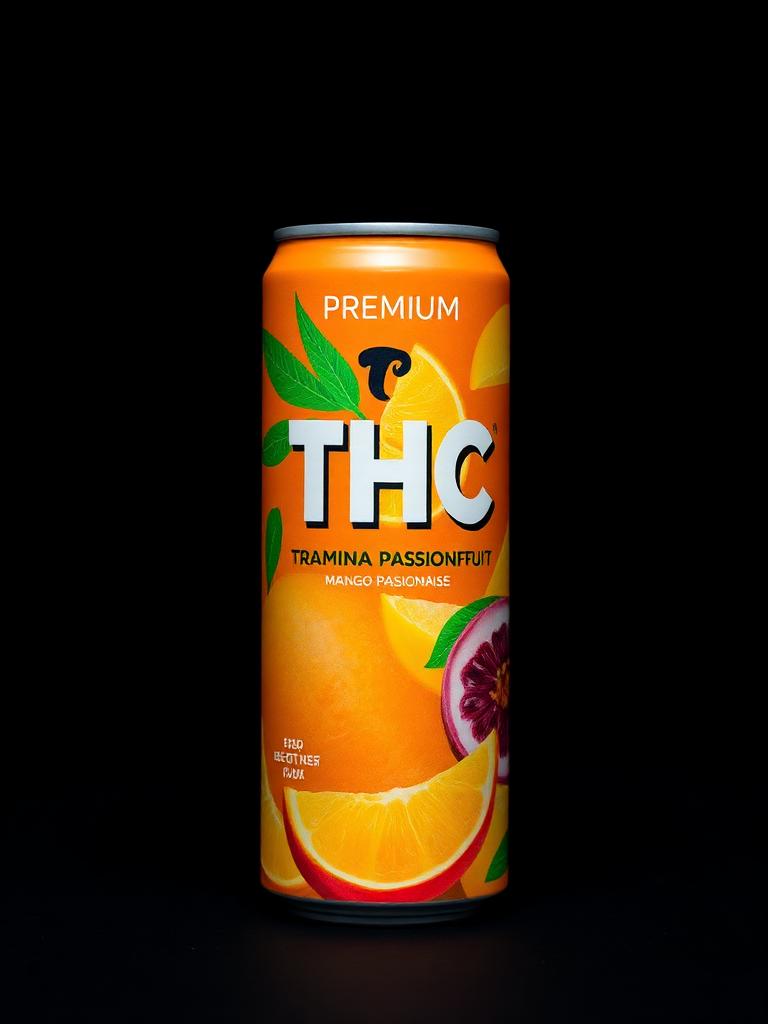
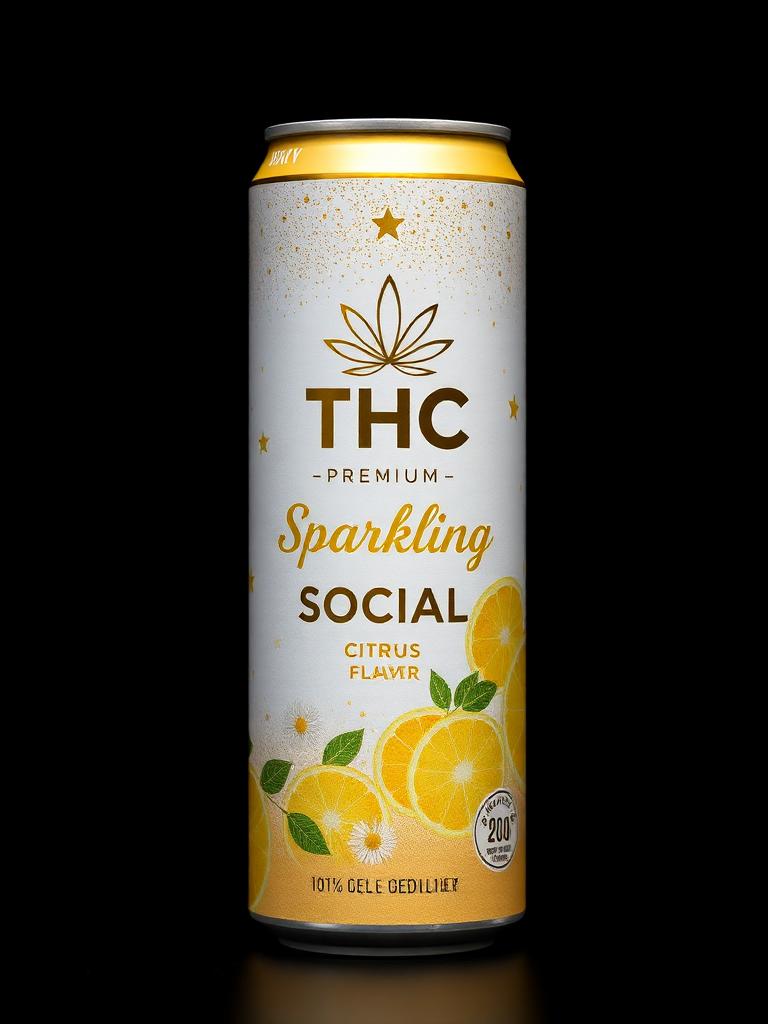
- vs. THC relaxation drinks: THC provides more immediate, noticeable sedation but carries drug test risks. Magnesium is safe for daily use with no legal concerns.
- vs. Adaptogen drinks: Reishi-based adaptogens can complement magnesium for sleep. They work through different pathways and stack well together.
- vs. Melatonin drinks: Melatonin signals the body to sleep; magnesium helps the body stay asleep. They serve different functions and can be used together.
The Bottom Line
If you're one of the 50% of Americans not getting enough magnesium, a quality magnesium drink can genuinely improve your sleep — especially when used consistently as part of an evening routine. The key is choosing the right form (glycinate or L-threonate), getting a meaningful dose (100mg+), and giving it 2–4 weeks to build up.
It won't knock you out like a THC edible. But for sustainable, long-term sleep improvement without side effects or dependency? Magnesium is one of the best-supported natural options available.
Looking for more sleep drink options?
Our full guide to the best non-alcoholic drinks for better sleep — including THC, CBD, and botanical options.
Best Sleep Drinks GuideShop the Ingredients
Ingredients & tools mentioned in this guide
Magnesium Glycinate
SupplementThe gold standard for sleep-support magnesium — calming, well-absorbed, gentle on the stomach.
Tart Cherry Extract
SupplementA natural source of melatonin and anti-inflammatory compounds. Great for sleep and recovery.
Affiliate links. We may earn a commission at no extra cost to you.
Frequently Asked Questions
Do magnesium drinks help you sleep?
Magnesium plays a role in regulating neurotransmitters and melatonin. Research shows supplemental magnesium can improve sleep quality, especially in people who are deficient — which is estimated at 50% of U.S. adults. However, the amount in a single drink may be below therapeutic doses.
What type of magnesium is best for sleep?
Magnesium glycinate and magnesium L-threonate are considered the best forms for sleep and relaxation. Glycinate is calming and well-absorbed. L-threonate crosses the blood-brain barrier. Avoid magnesium oxide in drinks — it's poorly absorbed and can cause digestive issues.
When should I drink a magnesium drink for sleep?
Most people find drinking a magnesium beverage 30–60 minutes before bed works best. This allows time for absorption and pairs well with a wind-down routine. Consistency matters more than precise timing.
Can you take too much magnesium from drinks?
The upper tolerable limit for supplemental magnesium is 350mg/day for adults. Most magnesium drinks contain 40–200mg per serving, well within safe limits. Excessive intake can cause digestive discomfort, particularly with magnesium citrate.
Are magnesium drinks better than magnesium pills?
Neither is inherently better — it's about consistency. Drinks offer the advantage of a pleasant nightly ritual, hydration, and often include complementary ingredients like L-theanine. Pills are more cost-effective per mg of magnesium.
How do magnesium drinks compare to THC drinks for sleep?
THC drinks produce a more noticeable, immediate effect (relaxation within 15–30 minutes). Magnesium works more subtly over time, supporting sleep quality without psychoactive effects and without any drug test risk. Some people use both — magnesium nightly, THC occasionally.